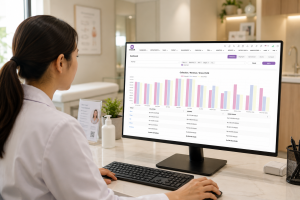

Running a clinic without system may seem manageable at first. However, as patient volume increases, manual workflows quickly become inefficient and difficult to control. Many clinics experience operational chaos not because of low demand, but because they operate as a clinic without system.
Many growing clinics face the same issue, busy schedules, overwhelmed staff, and unclear financial performance. Without a proper clinic management system, daily operations can quietly turn into operational chaos.
The Day Starts with Confusion
The clinic opens, and patients begin arriving. Without a centralized system:
- Staff check appointments manually
- Staff store patient data across notes or spreadsheets
- Walk-in patients disrupt the schedule
In a clinic without system, even simple processes take more time than they should.
Administrative Work Piles Up
As patient flow increases, administrative tasks begin to slow everything down. Common problems include:
- Repetitive data entry
- Missing or incomplete patient records
- Delays in billing
At this point, many clinics start realizing they need a more structured workflow, something a modern clinic management system is built to handle.
Scheduling Becomes a Bottleneck
At peak hours, inefficiencies become more visible. Without proper tools:
- Appointments overlap
- Staff don’t fully utilize treatment rooms
- Staff workload becomes uneven
A well-integrated system can actually prevent these issues by automating scheduling and optimizing resource allocation.
Financial Tracking Becomes Unclear
Transactions continue, but the clinic lacks visibility. In a clinic without system:
- Revenue tracking is manual
- Teams receive reports too late
- Potential losses go unnoticed
Platforms like Neosoft help solve these exact challenges by enabling clinics to shift from manual workflows to a fully integrated, data-driven operation.
Patient Experience Starts to Drop
Operational inefficiencies begin to impact patients:
- Longer waiting times
- Lack of follow-up
- Inconsistent service experience
Over time, this affects retention and overall clinic growth.
The Work Continues After Hours
Even after closing, the team still needs to:
- Reconcile transactions
- Organize patient data
- Prepare reports manually
This not only reduces efficiency but also increases staff fatigue.
From Chaos to Control: The Role of a Clinic Management System
This daily scenario is common in any clinic without system. What seems manageable in the early stages becomes a major barrier to growth over time.
By implementing a clinic management system, clinics can:
- Automate daily operations
- Access real-time performance data
- Improve scheduling and resource management
- Enhance patient experience
Platforms like Neosoft are designed to address these exact challenges, helping clinics transition from manual workflows to a fully integrated, data-driven operation.
Instead of managing multiple tools or spreadsheets, clinics can centralize everything in one system and gain full visibility over their performance.
Explore more about the solution here:
Neosoft Official Website
Conclusion
A day in a clinic without system may look busy, but behind the scenes, inefficiencies limit growth and profitability.
As clinics scale, relying on manual processes becomes unsustainable. With the right system in place, clinics can move from reactive operations to structured, efficient, and scalable growth.